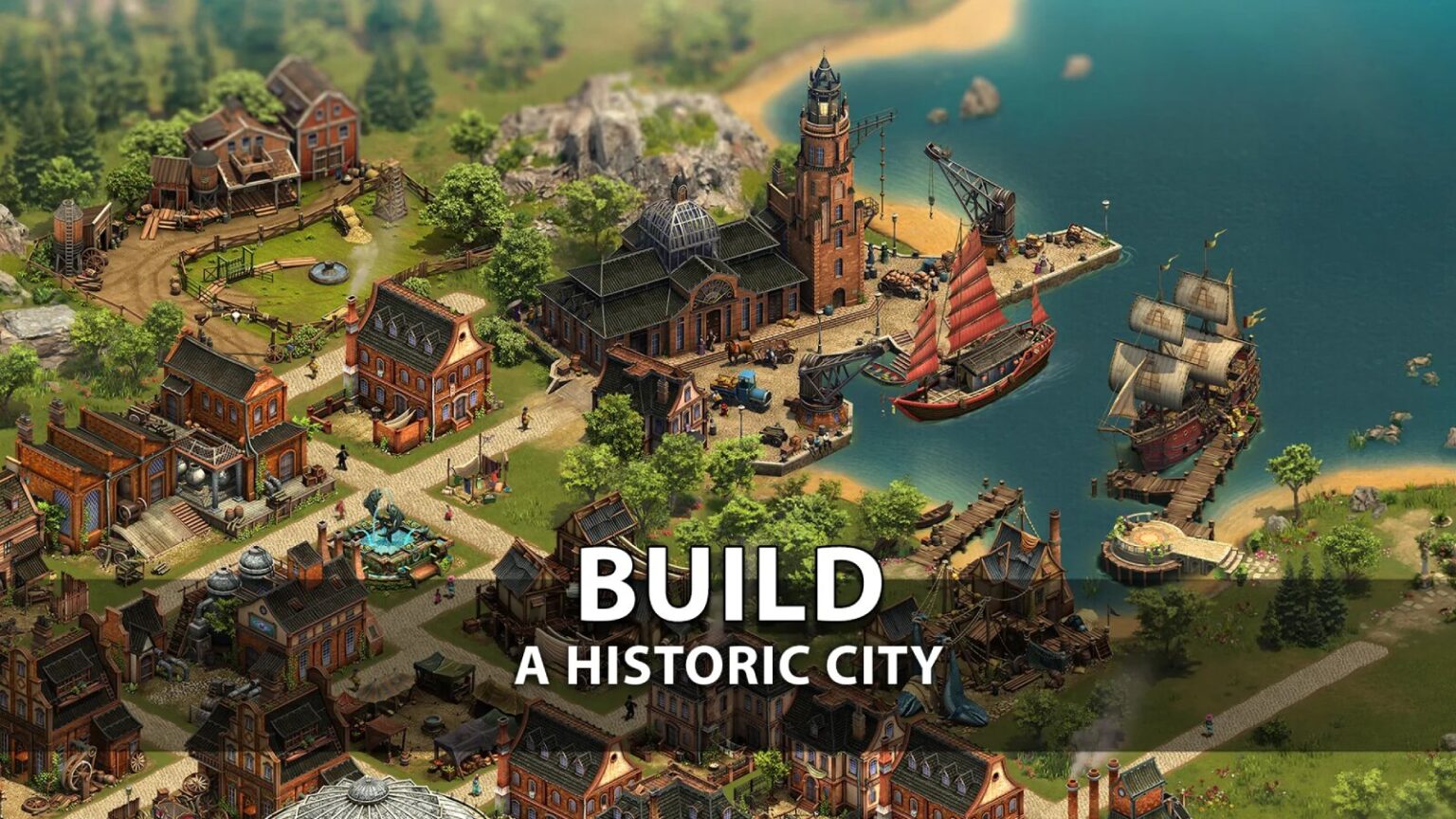
Designing cities from scratch satisfies something primal—control, creativity, and consequence. When you’re laying down roads, zoning districts, and watching your skyline rise, it’s easy to forget you’re playing a game. The best building city games free blend depth with accessibility, letting anyone become an urban planner without spending a dime.
These games aren’t just time-killers. Many teach real-world concepts like traffic flow, resource management, and infrastructure planning. Whether you're on a lunch break with limited bandwidth or exploring a long-term hobby, free city-building games deliver surprisingly rich experiences.
Here’s a look at the most engaging free options across platforms, along with what makes each stand out—and where they fall short.
Why Free City-Building Games Are Worth Your Time
Free doesn’t mean low quality. The rise of browser-based engines and indie development has led to polished, functional city sims that rival older paid titles. You get core gameplay: zoning, budgeting, public services, and expansion—without hidden paywalls locking essential tools.
Many of these games succeed by focusing on accessibility. No installation means you can jump in on shared devices, older hardware, or during short breaks. Some even offer progressive saves through cloud or local storage, so progress isn’t lost.
But be wary of limitations. Free versions often cap city size, restrict disaster mechanics, or limit export options. Ads can interrupt immersion, and offline functionality isn’t guaranteed. Still, for pure experimentation and learning, the ceiling is higher than ever.
Top 7 Free Building City Games to Play Now
Not all city builders are created equal. The list below prioritizes gameplay depth, ease of access, and actual “free-to-finish” progression—no forced upgrades to unlock basic tools.
| Game | Platform | Offline Play | Key Strength |
|---|---|---|---|
| SimCity BuildIt | Mobile (iOS/Android) | Partial | Social features, polished UI |
| City Island 5 | Mobile | Yes | Story-driven, intuitive layout |
| The Sandbox Evolution | Browser/Mobile | Yes | Creative freedom, pixel art |
| Bit City | Mobile | Yes | Minimalist, relaxing pace |
| OpenCity | PC (Windows/Linux) | Yes | Open-source, realistic physics |
| Urban Empire (Free Trial) | PC | Yes | 4X depth, historical eras |
| Micropolis (HTML5) | Browser | Yes | Classic SimCity, no login |
#### SimCity BuildIt – The Social Simulator EA’s mobile take on SimCity thrives on interaction. You build residential, commercial, and industrial zones while trading goods with other players. The supply chain mechanic—producing goods to fulfill orders—adds strategic depth. But: The game pushes in-app purchases aggressively. Waiting for construction without paying slows momentum. Still, if you ignore the upsells, it's a solid entry point.

#### City Island 5 – Narrative Meets City Planning This game wraps city-building around a light story. You start with a small island and unlock quests that guide development. Upgrades follow a clear path, making it ideal for beginners. Graphics are charming, and construction animations are satisfying. However, island size caps limit long-term expansion unless you pay.
#### The Sandbox Evolution – Creativity First More art sandbox than strict city sim, this game lets you layer terrain, water, and elements to simulate ecosystems. You can “build” towns, but the focus is on emergent physics and interaction. Great for experimentation. Less useful if you want tax management or policy decisions.
#### Bit City – Minimalist Urban Growth From the creators of Reigns, Bit City uses a swipe-based interface to expand your metropolis block by block. Each swipe unlocks new zones, services, and landmarks. It’s simple, but intentionally so. No budgets, no disasters—just steady growth. Perfect for quick sessions.
#### OpenCity – Open-Source Realism For Linux users or tech-inclined players, OpenCity offers a no-frills simulation with realistic vehicle AI and building deformation. Houses degrade, roads wear, and traffic follows actual pathfinding logic. No polished UI, no hand-holding. But if you want a free, moddable city engine that behaves realistically, this is it.
#### Urban Empire (Free Trial) – Deep Strategy This one’s a partial free option. The trial gives you 10 in-game years (about 1–2 hours) to explore a 19th-century campaign with dynasty mechanics, research trees, and political policies. It’s more Civilization than SimCity, but the urban planning layer is detailed. If you like historical depth, the full version is worth considering.
#### Micropolis (HTML5) – The Original SimCity, Free Based on the 1989 classic, Micropolis runs in-browser with open-source code. Zoning, power grids, and disaster modes work as intended—no frills, full nostalgia. Controls feel dated, and the isometric view isn’t scalable. But it’s a legitimate free version of the granddaddy of city builders.
Browser vs. Mobile vs. Desktop: Where Should You Play?
Each platform shapes the experience.
Browser games like Micropolis or The Sandbox Evolution load instantly but often lack save robustness. They’re best for short experiments or classroom use. Watch for ad-heavy sites—stick to official domains or itch.io-hosted versions.
Mobile games dominate the free space. SimCity BuildIt and City Island 5 thrive here, optimized for touch and notifications. But monetization is aggressive. Disable ads in settings if possible, and avoid linking payment methods.
Desktop downloads, like OpenCity, offer the most control. No ads, full mod support, and better performance. The trade-off? Installation and potential compatibility issues.
Tip: If you're serious about city-building, start mobile to learn mechanics, then transition to desktop for deeper control.
Common Mistakes New Players Make
Even simple city games punish poor planning. Here’s what trips up beginners:
- Over-zoning residential early: More homes = more demand for jobs and services. Without commercial or industrial zones, your city stagnates.
- Ignoring power and water coverage: Placing a pump station isn’t enough. Pipes and wires must connect directly to zones. Use the overlay tools to check.
- Building too fast: Rapid expansion drains budgets. Stick to small increments and monitor your balance.
- Neglecting public transport: Traffic jams kill productivity. Introduce bus routes early, even in small cities.
- Forgetting disaster prep: In games that include fires or storms, a single unprepared district can collapse your tax base.
One player grew a city to 50,000 residents—only to lose half to a fire because fire stations were too far apart. Lesson: balance growth with resilience.
How These Games Reflect Real Urban Challenges
Surprisingly, free city builders mirror real planning dilemmas.
In SimCity BuildIt, traffic congestion emerges not from road count, but from poor intersection design—just like real life. Players learn to space out highway exits and avoid gridlock at commercial hubs.
OpenCity’s traffic AI calculates realistic commute times, forcing players to consider mixed-use zoning. It’s a crude but effective lesson in urban density.
Even City Island 5 teaches fiscal basics: raise taxes too high, and residents move out. Cut services, and happiness plummets. These mechanics, while simplified, reflect actual policy trade-offs.
Teachers have used Micropolis in classrooms to demonstrate environmental impact and resource allocation. The game’s pollution overlay shows how factories affect nearby homes—a visual lesson in zoning ethics.
Play Smarter: A Quick Workflow for Long-Term Success
Follow this sequence in most free city builders:
- Start small: Build 3–4 residential zones, one power plant, and a water pump.
- Add jobs: Introduce a small commercial area and basic industry.
- Connect with roads: Ensure every building has road access. Use one-way streets to reduce congestion.
- Monitor overlays: Check power, water, and happiness. Fix gaps early.
- Expand public services: One police and fire station covers ~10 blocks. Position them centrally.
- Introduce transit: Buses or metros reduce traffic and increase land value.
- Grow incrementally: Wait for budget surplus before major expansions.
Stick to this, and you’ll avoid early collapse—no matter the game.
Free building city games have evolved from simple diversions to meaningful simulations. They teach planning, patience, and problem-solving—all while feeling like play.
You don’t need a degree in urban design to enjoy them. But if you’re curious about how cities work, they’re the best free entry point available.
Pick one from the list, start small, and build smart. Your first metropolis is waiting.
FAQ
Are free building city games truly free? Most are free to download and play, but may include ads or in-app purchases. Games like OpenCity and Micropolis are 100% free with no monetization.
Can I play city-building games offline? Yes—Bit City, City Island 5, OpenCity, and Micropolis support offline play. Mobile games often save progress locally.
Which free city game is best for beginners? City Island 5 is the most beginner-friendly, with guided quests and intuitive controls.
Do any free games offer realistic city simulation? OpenCity and the free version of Micropolis provide the most realistic mechanics, including traffic AI and infrastructure decay.
Are browser-based city games safe? Stick to known platforms like Armor Games, CrazyGames, or official GitHub pages. Avoid sites that prompt excessive permissions.
Can I export or share my city designs? Most free games don’t support exports. OpenCity allows file backups; others rely on device-level saves.
Is there a multiplayer free city-building game? SimCity BuildIt includes co-op challenges and trading, making it the closest to multiplayer in the free tier.